


Intro
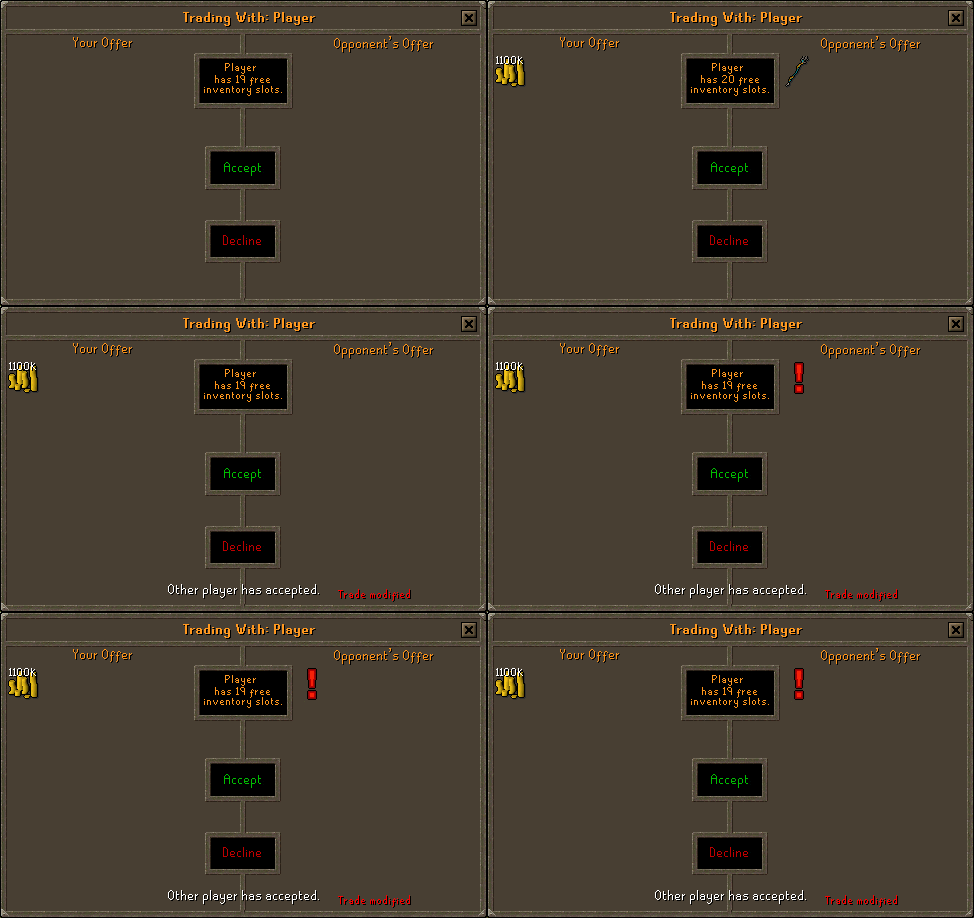
Ethereum is in the earliest stages of usability. Transaction costs are high, the network gets DDOS’d by kitty cats, and the tools have abysmal UIs. But the biggest risk right now is just how easy it is to pull off scams.
The entire selling point of crypto is the ability to send money without a middleman. But that comes with a cost: transactions are permanent and non-reversible. There’s no credit card company to issue a chargeback. There’s no 1-800 number to call. Once you sign a transaction, it’s done.
This article focuses on a specific type of scam in the Ethereum ecosystem and what you can do to protect yourself.
The Setup
When you interact with a Smart Contract on Ethereum, you call a function on that contract and optionally send money along with it. This is generally done through a dApp website combined with MetaMask.
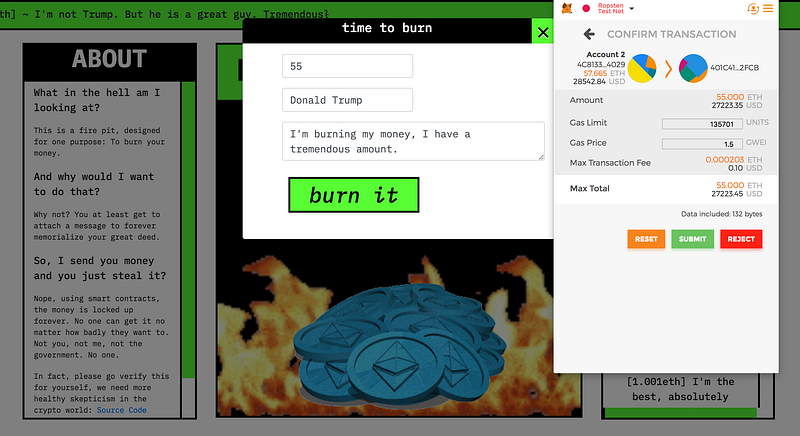
Blindly signing transactions is the easiest way to lose your money. Copycat and phishing websites are trivially easy to set up. Even “legitimate” looking companies can be nothing more than fancy marketing designed to steal your funds.
Simple Scam
Triple check the amount and the destination account every single time.
The easiest trick in the book: tell someone they’re interacting with the real CryptoGiraffes website, but swap the destination address to a scam account. It takes seconds to set up and preys on people who don’t verify what they’re signing.
Check every time. Never blindly sign.
Scam 2: Github Links Don’t Prove Anything
A common move is for a project to post links to Github claiming the source code matches their deployed smart contract. Don’t fall for it. A code snippet or a Github repo is not proof of anything.
There is absolutely no guarantee that the code posted to Github is the actual code deployed onto the blockchain.
Anyone can post clean-looking code to Github while deploying something completely different on-chain.
How Code Verification on Etherscan Works
When Solidity is compiled, it produces EVM bytecode. Looking at raw EVM instructions is practically impossible to audit.
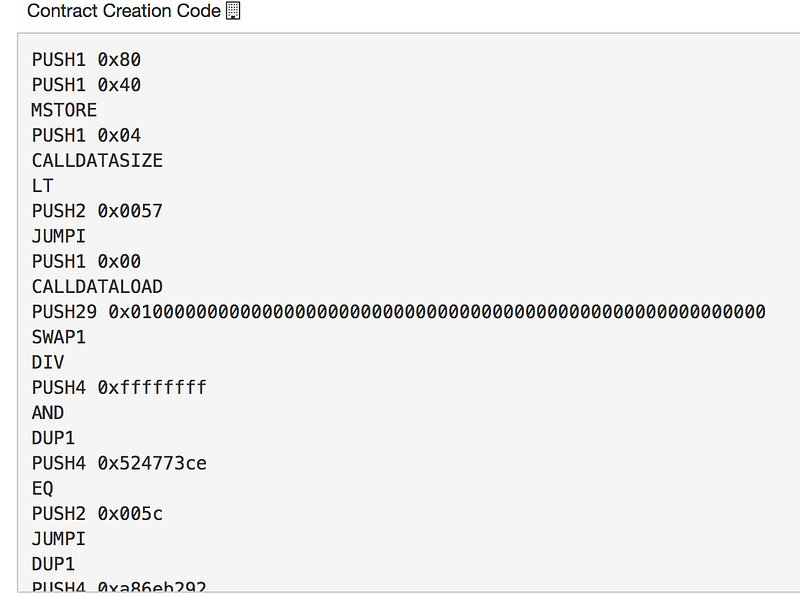
The way verification works: a developer provides their source code, you compile it, and verify that it produces the same EVM bytecode as what’s deployed on-chain. Etherscan makes this process straightforward.
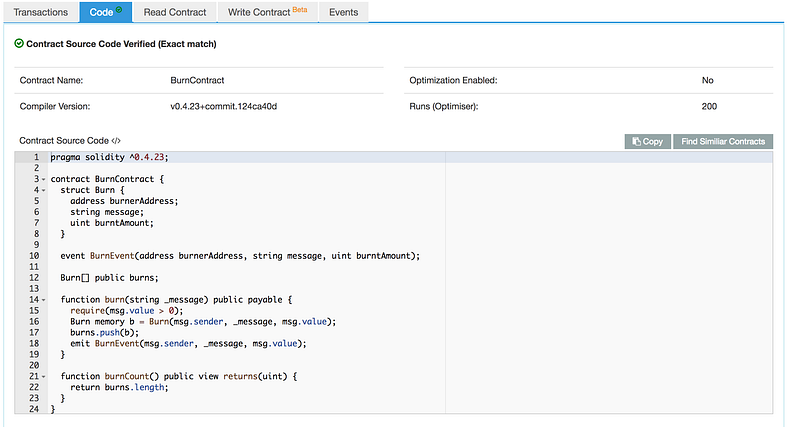
Demand that developers provide actual source code and verify it matches their deployed contracts. If they won’t do it, walk away.
Why This May Not Be Enough
Even with verified source code, you’re not completely safe. Take eth.rip as an example: it has one payable function called burn(). But a malicious developer could easily add a stealYourMoney() function alongside it.
Here’s where MetaMask has a critical flaw:
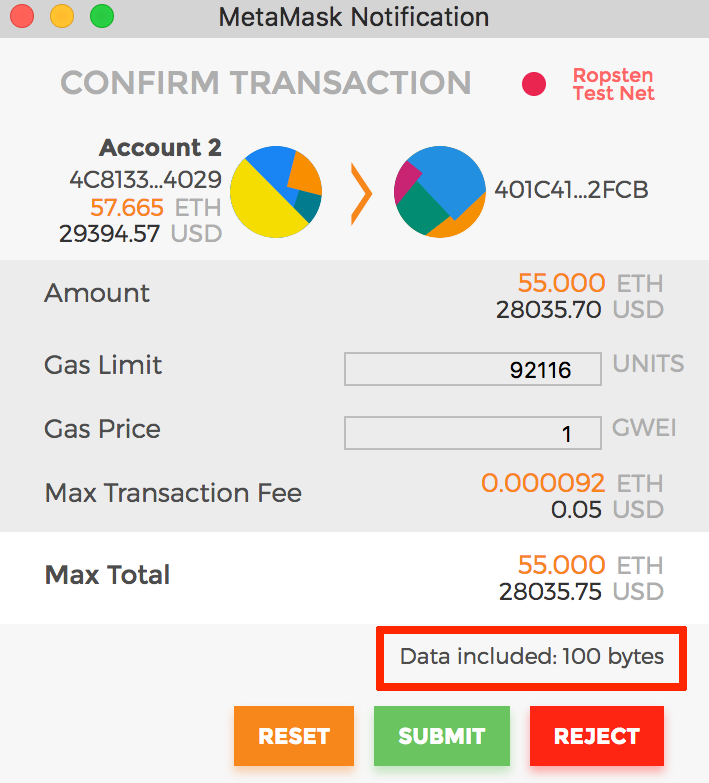
MetaMask only tells you how many bytes of data you’re sending. It doesn’t tell you whether you’re calling burn() or thanksForYourMoneyIdiot(). This is a huge issue with contracts that have thousands of lines of code and subtly hidden nefarious functions.
MetaMask Needs to Get This Done ASAP
There’s an open issue tracking this: MetaMask #2847
The entire point of blockchains is trustless systems. I’m optimistic about the future we are building. When organizations say “Trust us”, we say “Code or GTFO”.
Go Burn Some ETH
I built eth.rip as a way to provably burn ETH while attaching an immortal message to the blockchain. Go verify the code yourself.